makes wines in a unique style unknown in other parts of the world. They take advantage of the long growing season and produce wines that taste very ripe and wholesome and usually with 1-2% residual sugar. To really enjoy the While most visitors tend to go to the wineries that line the valley floor, there is actually a second set of wineries away from the beaten path, or in the surrounding mountains. Many of these wineries are also people's homes where they make very small batches of hand-crafted wines. Make it a point to meet them, enjoy their hospitality and taste their home-made wines. You may find a more intimate wine experience by visiting the small and more personal wineries where you may directly talk with the winemaker or owner. Experience first-hand the rich tradition and the specialties of family-owned and world-renowned wineries.To add to fun on your Immerse yourself in the world-class wines, fine dining, abundant cultural venues and enamoring beauty that define the A recent study by scientists says Red wine and White wine carries same health benefits. The white wine, from Israel, has improved levels of plant chemicals that are believed to fight heart disease. White wine is however not made with grape skins and hence lacks health-offering polyphenols. But researchers at Technion, the Israeli Institute of Technology, have engaged a way to enhance white wine polyphenols six-fold.
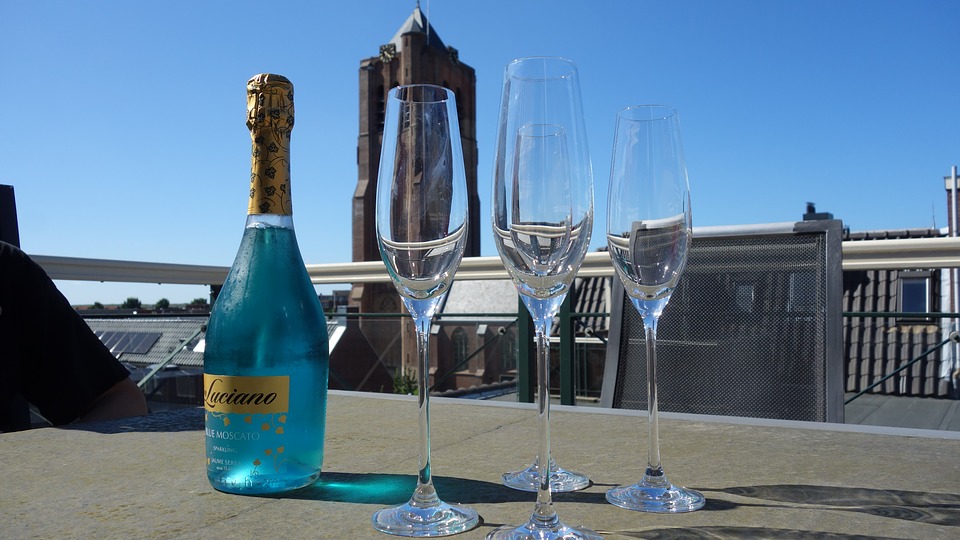
The method comprises incubating squeezed grapes in the existence of alcohol for 18 hours before taking away their skins. The polyphenol-charged wine appears and tastes alike as regular white wine but also has the same antioxidant movement as red wine. There has been an unbelievable response from those that have heard about the study with many thinking of taking up drinking white wine more seriously. ![]() There are several rules to wine tasting and if they are applied and followed, then that will help you enrich your wine tasting experience. There are essentially three factors involved in wine tasting - appearance, flavor and taste. These three factors are enough to help you decide and also to make you pose like an expert when dining with friends and family. You can know a lot about a wine just by observing its appearance. The wine should be poured into a clear transparent glass and placed in front of a light, so that you can perfectly determine the color of the wine. Please remember that wine colors vary a great deal, even if they belong to the same variety. A red wine is not always red and a white wine can contain different color tones that may not be immediately discernible.If you are able to find more colors in a white wine, then it means it has more flavor and age. Again, like red wine, most white wines are not truly white. Quite often, a white wine tends to show up more as a green or a yellow in color. A brown white wine may be an indication that the wine is spoilt. Both red wines and the white wine become lighter as they age. Red wines that are lighter in tone are indeed the perfect wines. The smell of the wine is also critical to judge the taste of wines. Start swirling the wine in your glass that will help you in visually examining the body of the wine and also sniff the smell emanating out of it. You can get a first taste of the wine by taking a quick whiff of the wine as it swirls. If you like what you smell, take a second deeper whiff of the wine. You should concentrate on the smell of the wine and without attempting to take a bigger taste of the wine, simply reflect on what you have smelt. After you complete the wine tasting steps outlined above, think about the food you will be having and whether or not you think the wine will stand up to that food. It is certainly not bad etiquette to reject wine. As a matter of fact, many restaurants and bars will be impressed by your expertise on wines. Resorting to elaborate wine tasting can be seen as an important social trait and can win you new friends. Wine-tasting is becoming a popular social activity with regular events happening not only at wineries, but in aristocratic shopping centers, high-end grocery stores etc. An experienced tasting-room consultant says that when, as a wine taster, you arrive at a tasting room, a staff member should set up few glasses and inform you about the wines that are available that day. He advises you never to feel afraid to ask questions about the wines or to carry a pad and pencil and make some notes. You will have to taste gradually from light to heavy and from dry to sweet. In other words, you will taste white wines, then red wines and finally the dessert wines. There's no hard rule that requires you should taste each wine you are offered.You can certainly ignore the wines that do not appeal to you. It is also not necessary to fully drink all the wine you taste. You will find in most tasting rooms refuse buckets placed not far from your elbow. You can, after tasting, discreetly pour the remains into that container. Dumping the excess wine is not lack of manners, but there are other behaviors you should watch out. When the wine pourer is busy with other guests, do not impatiently refill the glass yourself. Secondly, do not take a sip and loudly proclaim your negative opinion for all present to hear. Some tasting rooms levy a fee for wine tasting, which may be to meet the expenses for buying a glass or towards the cost of a bottle. Most other tasting rooms, the sampling for wine tasting is free. Do not wear perfume or use lotions with strong fragrances when attending a tasting. The scents will interfere with your senses of smell and taste and you will not be able to properly discern the taste. At a wine tasting session, women and older guests should be served first and then men and finally the host. Limit the number of tasters that can comfortably fit into the room. A crowd around the tasting table can be distractive and guests should not be rushed into sipping when pouring a glass of wine. Guests might get thirsty and therefore it is not wrong to have bottle of water at hand. Drinking water may also be needed by those that want to rinse their mouths between sipping different wines. Remember to provide something into which your guest can discard their rinse water. Unsalted water crackers or still preferably unflavored French bread may be provided for palate cleansing during the tasting session. Do not serve stronger foods till after the wine tasting is over. Please remember that the proper way to hold any style of wine glass is only by the stem. This will keep your fingerprints off the bowl and also your hand from heating the wine. Find a good local wine shop and be loyal to it and never attempt changing places needlessly and too often. Identify a shop where activity, passion and experience are in evidence and when you find one, steadfastly stick with it. As a wine taster, you should taste wine as regularly as possible. An occasional sip here and a sip there do not help much to train your palate. Effective wine tasting is done when you are in a group and the chattier the place is the more you will enjoy the session. Avoid all wine shop where the crowd is thin and business not brisk. Here are some simple rules for wine tasters to adhere to. Find a good local wine shop and be loyal to it and never attempt changing places needlessly and too often. Identify a shop where activity, passion and experience are in evidence and when you find one, steadfastly stick with it. As a wine taster, you should taste wine as regularly as possible. An occasional sip here and a sip there do not help much to train your palate. Effective wine tasting is done when you are in a group and the chattier the place is the more you will enjoy the session. Avoid all wine shop where the crowd is thin and business not brisk. You must necessarily learn to write a tasting note. It is said that a person never really gets to know what he precisely thinks until he writes it down. Taking a tasting note forces you to pay attention to what is in the glass but then a note should be short and useful. For a wine taster, wine is not only something to drink, but also something to think about. There is plenty of worthwhile knowledge to be gained by reading some well-written wine books. Both Napa and Sonoma tours are most unique tours in Napa Valley San Francisco. In such wine country tour, they usually take you to all the premier Napa valley wineries aboard a small group tours shuttle. Most of the tours include great picnic lunch, ride over the Golden Gate Bridge and 50-minute relaxing Ferry/Bay Cruise before coming back to San Francisco. You could go outside or sit inside the boat and drink the delectable wine or sparkling wine you buy purchased during this 50-minute cool boat cruise across the bay back to the Ferry Building. And further most of the San Francisco restaurants as well allow you to bring your own purchased wine and pay a very small corking fee. The unique features of such tours is that it offers to taste premier Cabernet Sauvignons, Cabernet Francs, Pinot Noirs with reserve bruts from the well-known wineries in Napa. You can have the unforgettable moments of your life by visiting such shuttle tours!
Red Wine has always enjoyed a pride of place on the dining tables on special occasions. In earlier times, Red Wine was a product meant for the elite and it had to be preserved and enjoyed over time. But gradually, wine became more and more commonplace and available to all. Red Wine plays an important role during festivals in religious ceremonies and on important social occasions. Red Wine is a status symbol and said to symbolize class, culture and social rank. Red Wine is used to preserve the health of the heart, to lower cholesterol levels and reduce blood pressure. Red Wine contains Anti-Oxidants which is good for health. Drinking red wine can improve heart health and circulation while also preventing cancer. Red Wine varieties are red in color and there are many choices in this type too. It is said that Red Wine is the choice that you will have to taste when you first experiment to taste wines. Connoisseurs of wine say that red wine should be consumed with red meats and white wines with white meat. However, with so many different flavors and different types of wine, people feel some red wines taste better with fish and some white wines go better with beef. Essentially, it is a matter of individual taste that determines the flavor of the wine, regardless of the food. There is a popular misconception that all wines are made of grapes. There are wines made from other sources and these types of wine are usually indicated by their name such as apple wine or elderberry wine. There are also other types of wine made from grains such as rice, but these varieties closely resemble beer and lack the smoother taste and flavor of wine. Red wine is wine produced from red or black grapes. You must know that almost all grapes have colorless juice and the way the red wine gets its color is by letting the skins soak in the juice until the red color bleeds out.
Soaking the skins not only give red wine its color but imparts a substance known as tannin. Tannin is what gives red wines a complexity that is beyond that of most white wines. Red wines are most often stored in wood barrels to age and provide a deeper, richer flavor. It is the tannin which gives the smell of wine in your mouth. Over time, the qualities of the tannin will mellow and blend harmoniously with the other characteristics of the wine. The researchers believe the way wines are made make all the difference to its taste. In traditional wine making, grapes have a three to four week fermentation period enabling full extraction of the chemical from the skin and the seed. But present day wines are only fermented for a week, resulting in less taste. Merlot wine is widely accepted as one of the finest vintages of red wine. If the alcohol content of merlot is higher, then it makes it a special favorite among diners. There is no denying that Merlot wine has a rich and full-bodied flavor. Cabernet Sauvignon is the most widely consumed red wine and therefore found most commonly in homes across
The wine festival is a great event to be experienced. Each state has its own wine festival. It is great fun to go out there and enjoy tasting the wine, visiting the wineries in that area and the general atmosphere of the place. Of course you can return with the bottle of wine which is your favorite. The whole atmosphere at the festival will be lively and interesting. Enjoy the atmosphere. Talk to all the different kinds of people you meet. You can watch the people enjoying their wine, getting tipsy, talking generally about the wine festival. All this can be enjoyed only if you can be balanced in your drinking and tasting the wine. A wine festival is good for the amateur and the connoisseur for tasting the wines. The wine lover will have a great time at such a festival. With so many different tastes to sip, people have a great time enjoying their wine. The people organizing the wine festival will be able to give tips about the different types of wines from the different regions in each state. They will be able to give you details of the vineyards from which the particular brand of wine comes from. They can give you the history of the vineyards and the regions famous for a particular type of wine. Such information is interesting and will help in enjoying the festival better. With so much to look forward to, it is really great to experience a wine festival, whichever state it is held in. The red meat and red wine mixture might have lots to do with health benefits than just a taste feeling, according to scientists. In a recent research on rats using red wine with red meat has exposed the drink cancels out some of the injurious substances generated by the meat. Chemicals exposed during the absorption of fat have been associated to diseases like cancer, diabetes and also Parkinson's. Rats were further fed either just red meat or red meat with red wine focus. The wine combination was found to lessen two toxic chemicals, the scientists study in the Journal of Agricultural and Food Chemistry. The Israeli study is not the first to praise the health benefits of red wine preceding studies praise it with a decrease in the risk of heart disease and even in cancer. |